
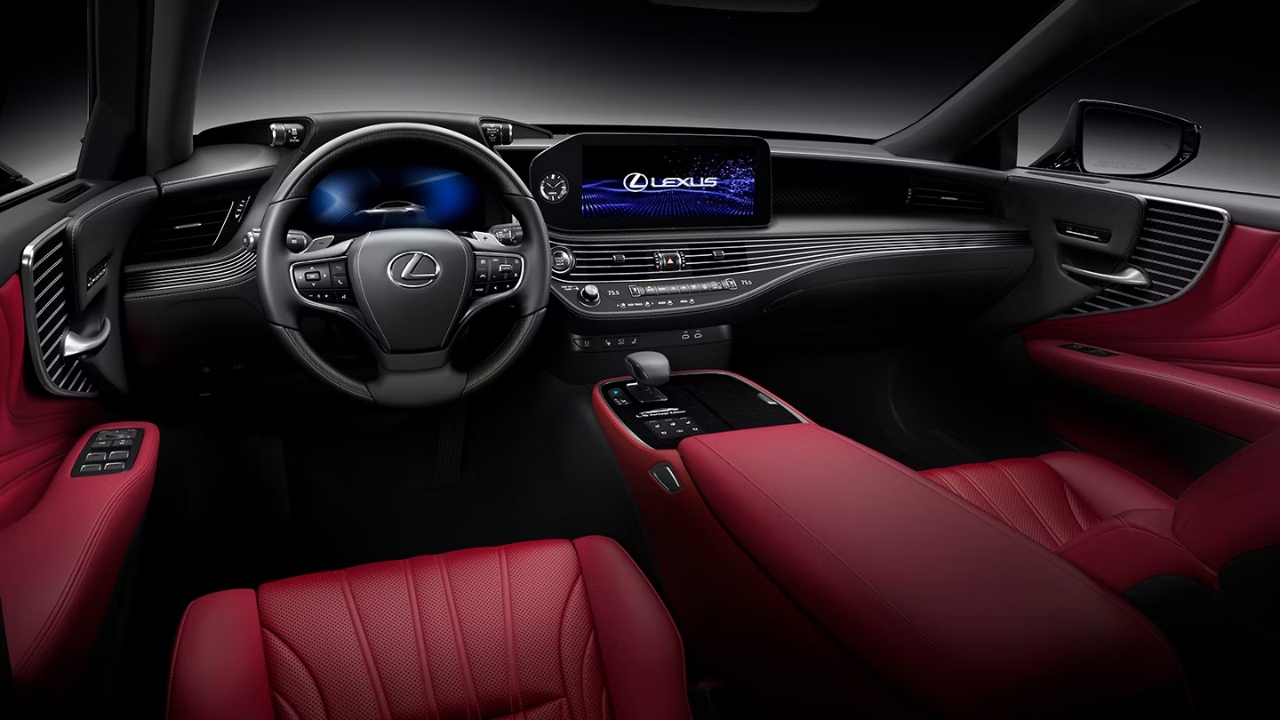
Lexus LS 500
Image Credit: Lexus
When you buy a premium automobile, there is always an implicit caution. The price you pay is just the start; when the warranty runs out, owning the car may get very expensive very rapidly. Long-term ownership is frequently hard to justify because of high depreciation, complicated engineering, and expensive repairs. But there are a few uncommon cases. If you desire luxury without the money problems that come with most high-end automobiles, there is one alternative that sticks out.
The Lexus LS 500 is that automobile. It doesn’t try to get more sales or headlines, and it has never sought to surpass its German competitors with dazzling new ideas. It focuses on things that purchasers care more about after the warranty goes out, such as durability, predictability, and low ownership expenses.
Why Most Expensive Cars Don’t Last Long
In the used automobile market, luxury cars often lose the most value over time. They are expensive to keep up with after the manufacturer warranty runs out since they have advanced electronics, high-performance drivetrains, and tiny manufacturing numbers. As a result, many luxury sedans lose value quickly, especially when buyers begin to factor in long-term repair risks.
This depreciation creates opportunities if you understand the 2026 car buying guide trends, particularly in the used car market. When reliability is built into the platform from the start, depreciation works in your favor instead of against you.
Why the Lexus LS 500 Is Different
The Lexus LS 500 benefits from Toyota’s engineering philosophy, where longevity matters just as much as performance. While many luxury sedans struggle with complex reliability issues, this model relies on an overengineered drivetrain designed to last well beyond warranty periods.
Because the LS 500 is a low-volume seller, it depreciates heavily despite strong build quality. That makes lightly used examples unusually attractive, especially if you are comparing buying vs leasing or considering certified pre-owned deals as part of your ownership strategy.
Ownership Costs That Stay Reasonable
Long-term ownership costs are where the LS 500 truly separates itself. Over a five-year ownership period, maintenance and repair expenses remain far lower than what you would expect from a flagship luxury sedan. This matters if you are planning long-term ownership instead of cycling through leases.
Depreciation still represents the largest cost, but this is exactly why the LS 500 makes sense as a used purchase. When evaluating trade-in value and understanding car depreciation rates for EVs vs ICE vehicles, this Lexus stands out as a safer ICE option that avoids extreme repair costs.
For buyers comparing car finance options or exploring car loans in the UK or US, this model works well with longer ownership horizons. Insurance costs are also more predictable than many European rivals, which helps control car insurance premiums for new drivers stepping into luxury ownership.
Luxury Features Without Compromise
Despite its conservative reputation, the LS 500 does not feel stripped down. The Heritage Edition comes fully equipped, meaning you are not chasing optional packages to achieve a premium experience.
You can expect:
- A large head-up display that keeps key information in your line of sight
- A high-end surround sound system designed for long-distance comfort
- Wireless smartphone integration and charging
- Power-adjustable, ventilated, and massaging seats
- Rear-seat heating and advanced climate control
Driver assistance features like surround-view cameras and semi-automated parking make urban driving easier, while traditional comfort features ensure the cabin feels calm rather than overwhelming.
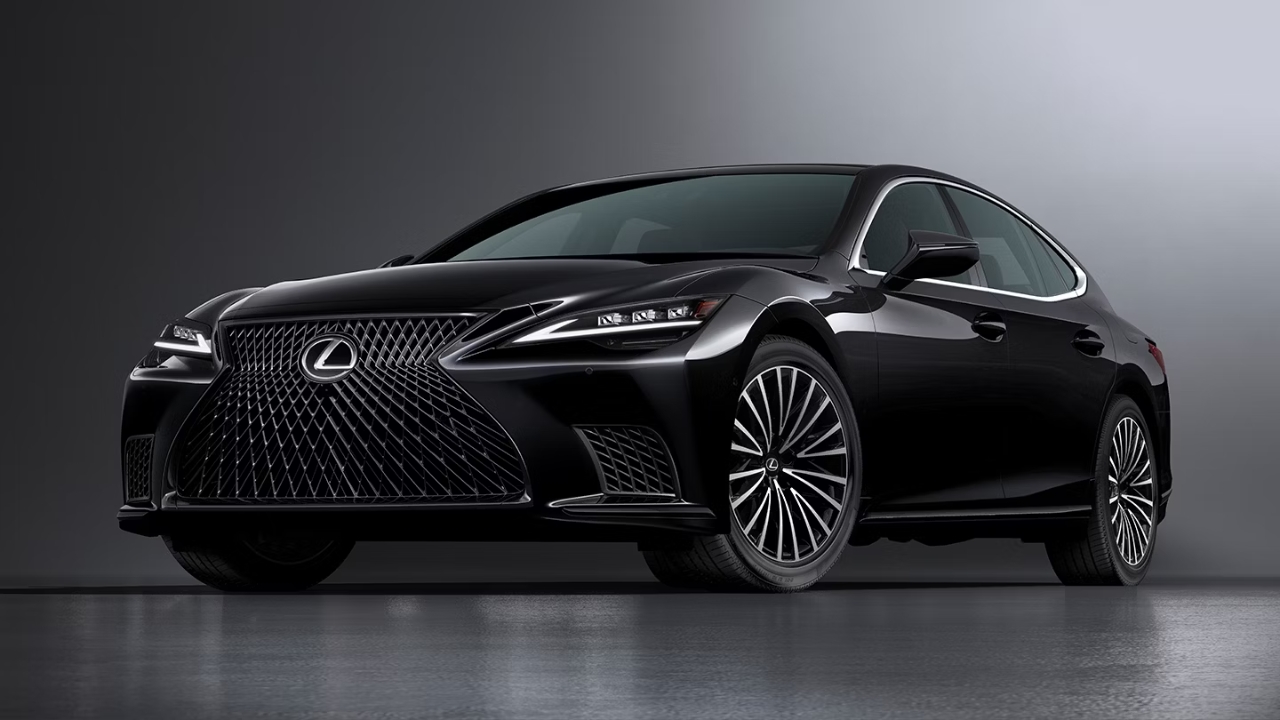
luxury car reliability
Image Credit: Lexus
Engine Design Focused on Longevity
Under the hood, the twin-turbocharged V6 prioritizes smooth power delivery rather than aggressive tuning. The engine architecture uses reinforced internals, advanced cooling, and a dual-injection system designed to reduce stress under load.
This matters when evaluating long-term ownership versus short-term performance. While some luxury engines deliver excitement at the cost of durability, this setup emphasizes controlled output and refined efficiency. It is built for sustained use, not just impressive acceleration figures.
Fuel Economy Is the Trade-Off
Fuel efficiency is not the LS 500’s strongest attribute. Compared to smaller sedans or electrified alternatives benefiting from EV incentives or electric car tax credits, this model consumes more fuel over time.
However, if you are comparing total ownership cost instead of fuel economy alone, the balance shifts. Lower maintenance risk, stable reliability, and fewer unexpected repairs can offset higher fuel expenses—especially if you are not ready for buying an EV without home charging.
Is It the Right Luxury Buy for You?
If you are chasing the latest tech trends or planning frequent upgrades, this may not be the car for you. But if your goal is dependable luxury ownership that does not escalate in cost once the warranty ends, the LS 500 fits a specific niche.
It works particularly well if you are shopping end-of-summer car deals, negotiating a new car price at end-of-model-year sales, or looking for best used car deals under £20,000 or $25,000 as depreciation continues to work in your favor.
Conclusion
Luxury ownership does not have to be financially stressful. The Lexus LS 500 proves that long-term reliability and refinement can coexist, even in a segment known for costly ownership. If you value comfort, build quality, and peace of mind over brand flash, this is one luxury car that continues to make sense long after the warranty expires.